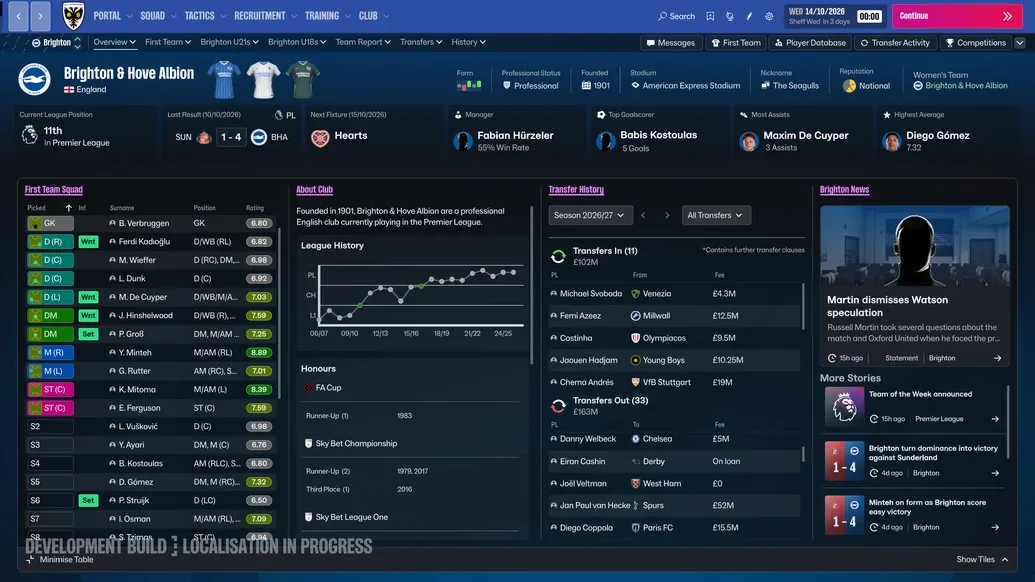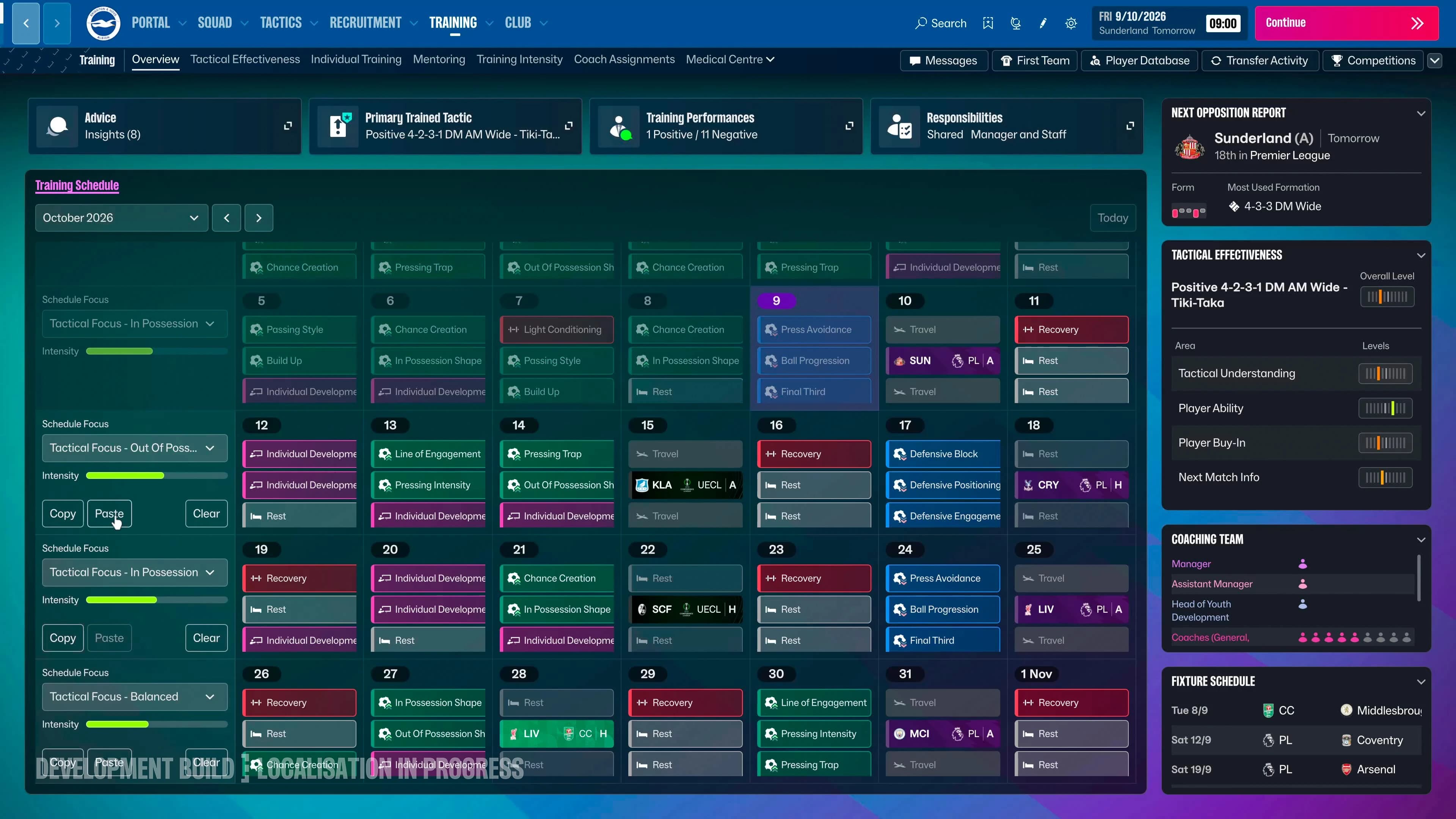
A journeyman career follows the manager across clubs. Its defining decision is when to move and what you want to learn from the next job, rather than how fast one club climbs.
Reviewed against sources available on 2 November 2026. Preview behaviour and final-release details may differ.
Set the challenge rules
Choose starting credentials and the loaded competition set to suit the time you want to invest. Record whether you begin unemployed or take a chosen first post. We have not verified a universal formula that guarantees interviews, so the rules should allow the actual job market to shape the story.
Define a departure condition: a completed objective, an accepted offer or the end of a contract are possible choices. Decide whether you may resign without another job. A transparent rule helps distinguish a deliberate career move from abandoning every difficult run of results.
| Decision | Record before starting |
|---|---|
| Starting scope | Club, loaded database and actual obligations |
| Difficulty | Editorial and dependent on the chosen save |
| House rules | Eligibility, exceptions and finish line |
| Evidence | Keep dated notes rather than assumed game values |
Choose the starting project
At each appointment, make a fresh positional and staff-responsibility audit. The tactic that worked at the previous club may depend on a player or a level of understanding the new squad does not have. Keep your preferred ideas, but rebuild the evidence for the responsibilities you ask others to perform.
The six club briefings are examples of different projects, not a sequence of guaranteed employment offers. Gamba introduces a league-learning context while Inter illustrates tactical continuity. Check availability, requirements and the actual competition setup before treating either as an attainable next step.
Review the project without rewriting its rules
Keep a handover record for each job: starting situation, objectives, major decisions, unresolved squad needs and reason for leaving. Separate your interpretation from the club’s actual outcomes. This makes the next choice more meaningful than comparing trophies earned under very different resources and expectations.
Before moving, ask which management problem the next job adds. A broader recruitment network, a different development task or a new competition can all justify the change. If you mainly want to keep developing the same squad over many seasons, use the one-club format instead. Neither challenge guarantees that a specific reputation or result unlocks a particular vacancy.
Before accepting an offer, compare the new club with the current job on responsibilities, competition context and the learning goal you wrote down. Save that comparison in the handover log. A larger name is not necessarily a more interesting next task for the career you chose.
Sources & verification
Article reviewed on 2 November 2026. Each source has its own verification date. Guidance is editorial analysis unless explicitly attributed to an official announcement.
- Official sourceFM27 Training and Tactical Effectiveness — system contextReviewed 2 November 2026