Start with an observed opponent pattern, then choose a manageable response. This is an opponent-review workflow, not a verified catalogue of every Opposition Instructions control.
Reviewed against sources available on 2 November 2026. Preview behaviour and final-release details may differ.
Make the opponent brief small enough to use
Read the opponent information and relevant reports available in your save, then choose a pattern you expect to matter. It might concern a route of progression, a receiving player between lines or the space left after an attack. Record the evidence and its limitations rather than treating a reputation or an old match result as a complete current scouting report.
Compare that pattern with your own squad’s responsibilities. Identify the player who would carry out the response and the cover they would need. An opponent-specific adjustment is useful only if your available players can perform it without opening a more serious weakness elsewhere. Keep your ordinary plan available so the intended difference remains clear.
Connect the response to preparation and availability
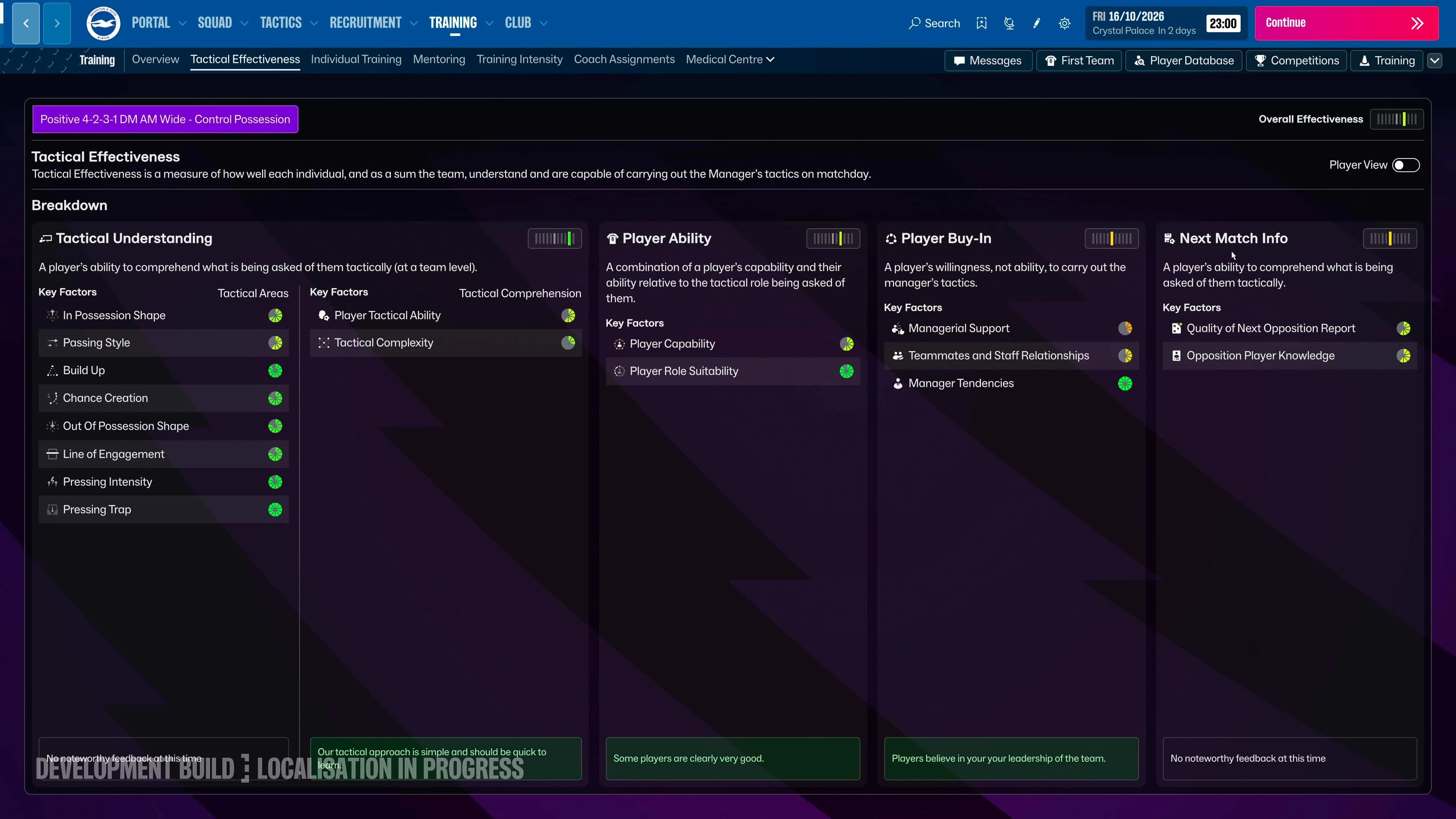
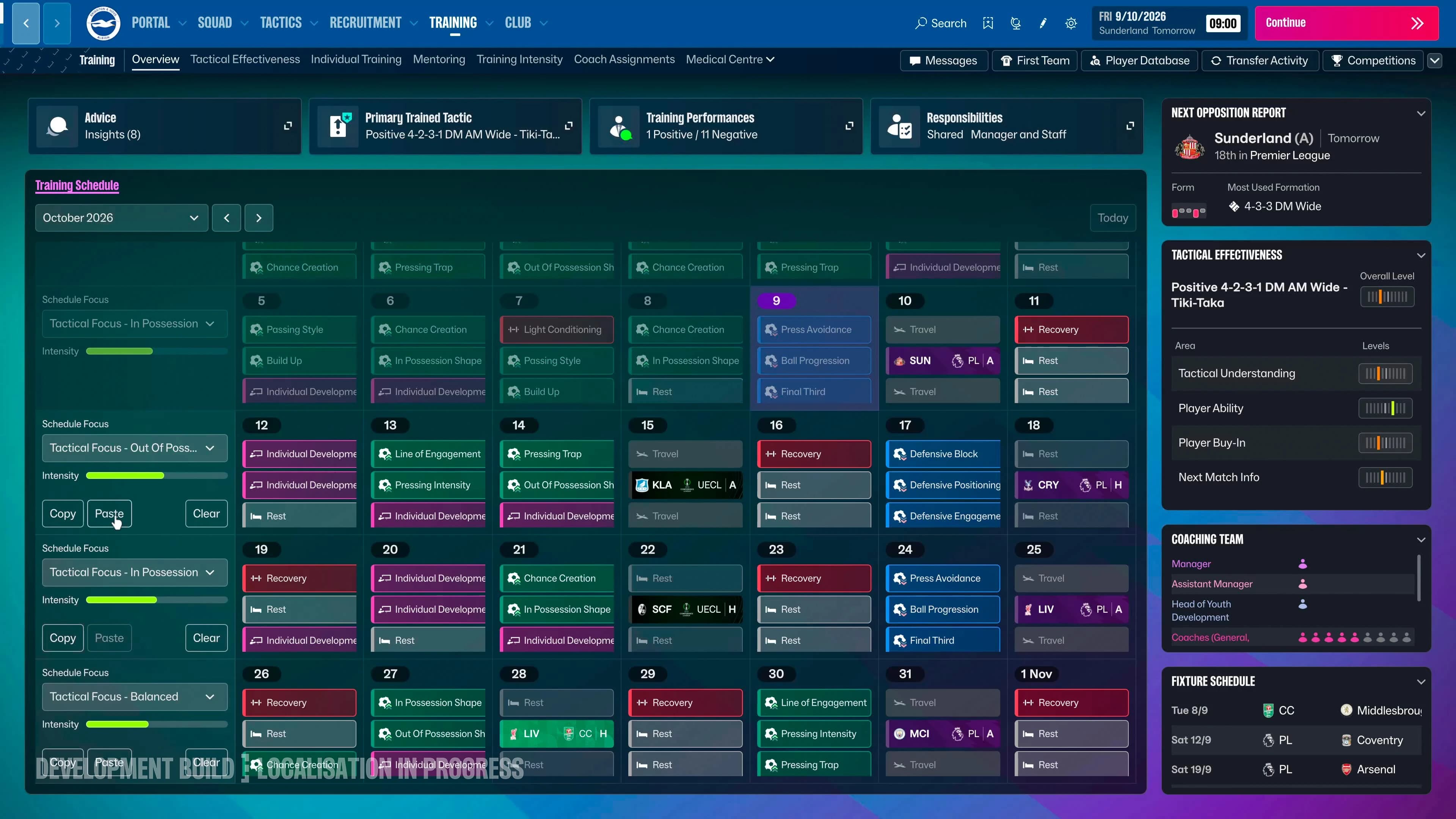
The official system places Next Match Information within Tactical Effectiveness. Use that connection to ask what the team still needs to understand before the fixture. Check the relevant preparation and the players who are actually available rather than applying an instruction solely because it would be attractive with a different squad.
For Opposition Instructions, read the controls, tooltips and staff advice shown in your current build before applying a change. We have not independently verified a complete FM27 opponent-instruction menu, so this guide does not invent a click path or automatically assign tight marking, tackling or pressure settings to every opponent position. Keep the observation and the chosen instruction in separate columns.
| Evidence | Decision to consider | What to watch |
|---|---|---|
| Repeated receiving space | Which existing duty can reduce it? | Does the response expose another channel? |
| A dangerous progression route | Can the nearest support interrupt it? | Does the opponent simply switch routes? |
| A weakness after their attacks | Is a suitable outlet available? | Can your team reach it with support? |
| Incomplete report | What still needs observation? | Avoid treating a guess as a confirmed weakness |
Review the response while the game state changes
Watch the next relevant passages of play rather than judging the adjustment only by the score. Record whether the targeted pattern became less common and what happened to your own transition cover. If an opponent changes shape or personnel, reassess the brief; a useful first-half response may no longer address the second-half problem.
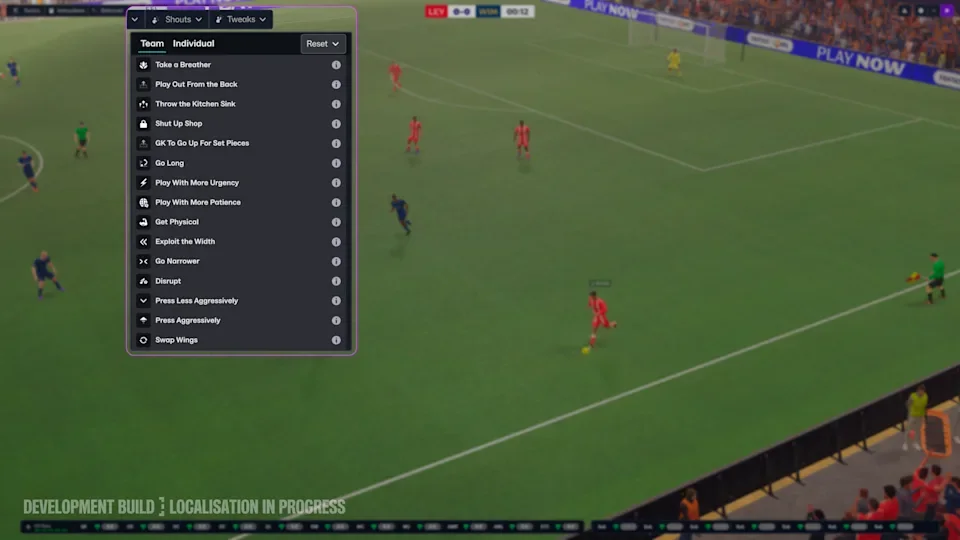
Tactical Tweaks can remain active until deselected, so include a point at which to inspect whether the temporary response is still needed. Keep the game version, starting plan and changes in the observation log on the tactics page. Those user notes are not controlled wiki tests, and this guide claims neither a tested win rate nor a universal opponent-instruction preset.
Select one opponent pattern
Record the report or match evidence behind it.
Check your available response
Identify who performs the job and who covers the resulting space.
Inspect the actual control
Use the current build’s descriptions; leave unverified controls out of the plan.
Review and remove
Check whether the reason for a temporary adjustment still exists.
Sources & verification
Article reviewed on 2 November 2026. Each source has its own verification date. Guidance is editorial analysis unless explicitly attributed to an official announcement.
- Official sourceOfficial FM27 Training and Tactical Effectiveness deep diveReviewed 2 November 2026
- Official sourceOfficial FM27 Tactical Tweaks and Match Engine explanationReviewed 2 November 2026